
Is Mount Bromo Safe for Kids? A Family Travel Guide
By the Nusa Traveller team — East Java-based tour specialists. Last updated July 2026. Yes, Mount Bromo is safe for …
By the Nusa Traveller team — East Java-based tour specialists. Last updated July 2026.
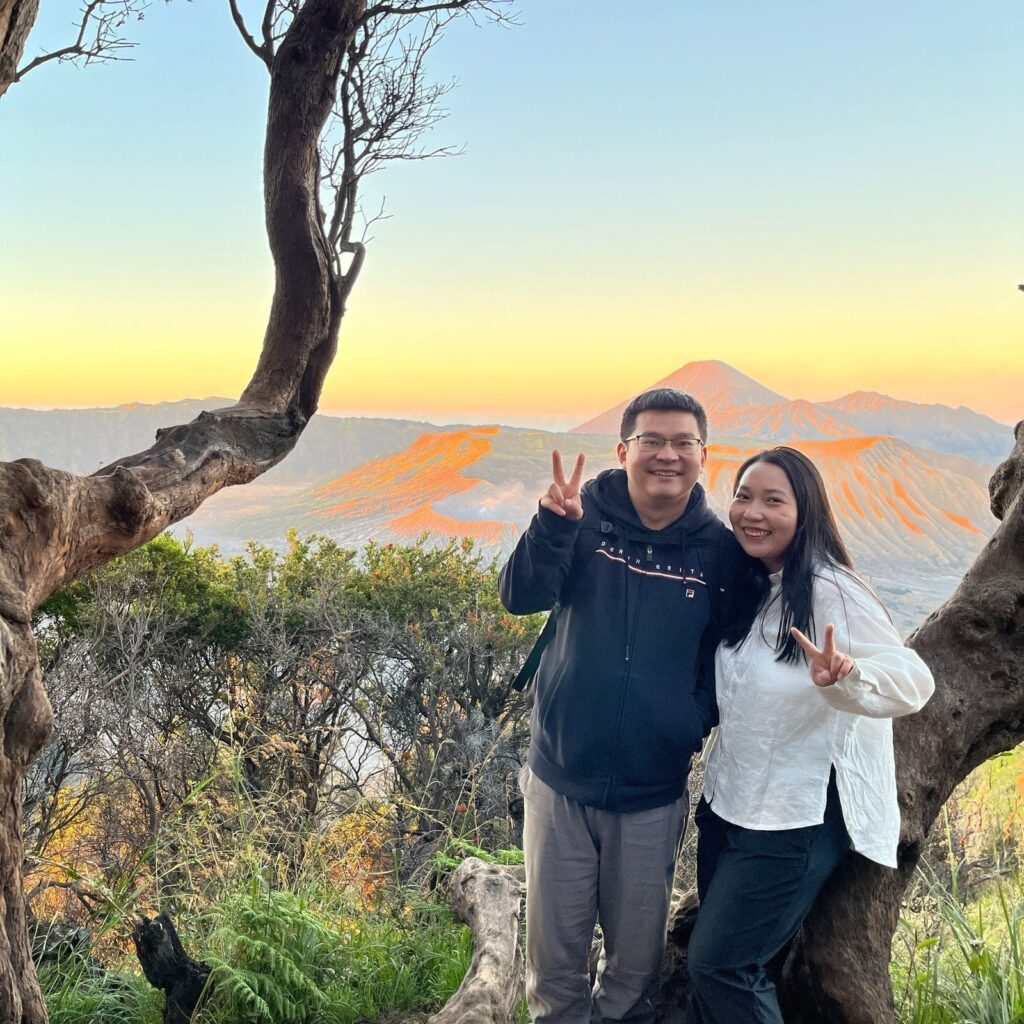
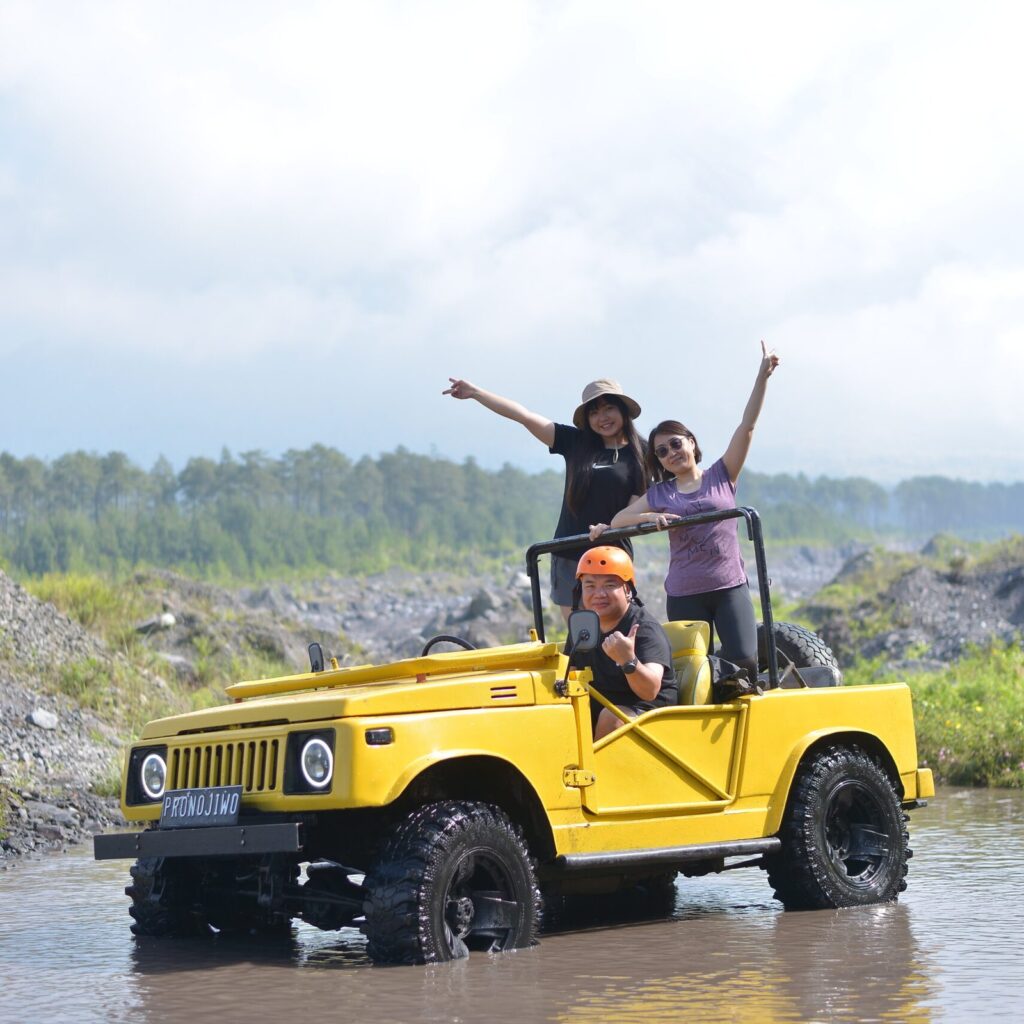
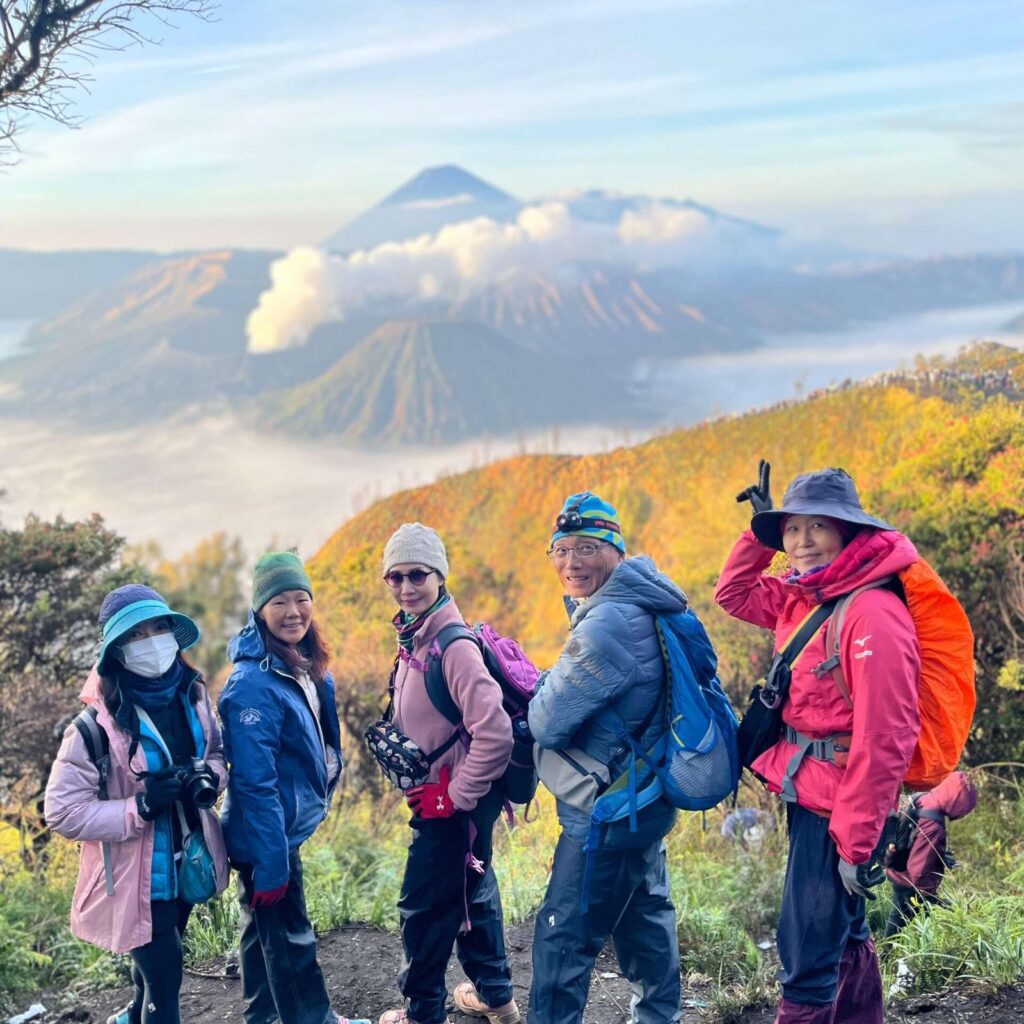
Yes, Mount Bromo is safe for families, and most children handle it better than their parents expect. The hardest parts of the trip aren’t dangerous — they’re just uncomfortable: a 3 AM wake-up call, temperatures that dip close to 5°C (41°F), and a walk across soft volcanic sand that tires out small legs fast. None of it requires technical climbing skill or hiking experience. Jeeps handle the roughest terrain, horses are available for the Sea of Sand crossing, and the final approach to the crater rim is a maintained staircase, not a scramble. The real planning work is around comfort and timing, not risk — and that’s true whether your children are 4 or 14.
Quick Facts for Family Trip Planning
- Recommended age: Most local guides suggest 5+ for an easier experience; children as young as 3–4 can go with a baby carrier and realistic expectations.
- Elevation: The crater rim sits at about 2,329 m (7,641 ft); the Penanjakan viewpoint is higher, around 2,770 m (9,088 ft).
- Temperature: Pre-dawn temperatures commonly fall to 5°C (41°F) or lower — pack real layers, not just a hoodie.
- The climb: Roughly 250 concrete steps from the Sea of Sand to the crater rim; horses cover most of the sand crossing.
- Booking: Since 2026, entrance is booked online in advance through the national park’s official portal — there’s no more paying cash at the gate.
What’s the Right Age to Bring Kids to Mount Bromo?
There’s no official minimum age at Mount Bromo, so the real answer depends on your child’s tolerance for cold and early mornings rather than any park rule. Children around 5 and up tend to enjoy it the most — they’re old enough to find the landscape genuinely amazing instead of just tiring, and they can manage the stairs holding a hand rather than needing a carrier. Toddlers and younger children can absolutely still go, and plenty of families do, but plan on carrying them for most of the walking sections and shift bedtime earlier the night before to soften the 3 AM start. Sensitive sleepers under 3 are usually the trickiest group, simply because the wake-up call disrupts their routine more than the mountain itself ever will.
How Physically Demanding Is the Bromo Sunrise Trek for Children?
Despite the word “trek,” most of a Bromo sunrise tour happens sitting down. Your family will spend the pre-dawn hours in a 4WD jeep or standing at a viewpoint, and the only real physical effort comes down to two short stretches: crossing the Sea of Sand and climbing to the crater rim.
Crossing the Sea of Sand
The volcanic sand is soft, fine, and surprisingly tiring for short legs — closer to walking on a beach than a hiking trail. Local Tenggerese horsemen wait at the jeep parking area and will lead a horse across the sand to the base of the crater stairs for a small negotiated fee, so agree on the price before your child climbs on, not after. It’s usually the part of the trip kids remember most fondly — half pony ride, half moon-landscape adventure. One adult should walk alongside for younger riders rather than leaving a small child on the horse alone.
Climbing to the Crater Rim
From the base of the stairs, it’s about 250 concrete steps up to the viewing platform at the rim — steep in places, but well-maintained and railed. Babies and toddlers travel best in a proper hiking-style carrier here; a stroller can’t handle sand or stairs, so leave it at the hotel. For walking kids, build in a few breather stops on the way up — the thinner air at nearly 2,330 meters makes the climb feel harder than the step count suggests, even for fit adults.
Is Mount Bromo’s Volcanic Activity Dangerous Right Now?
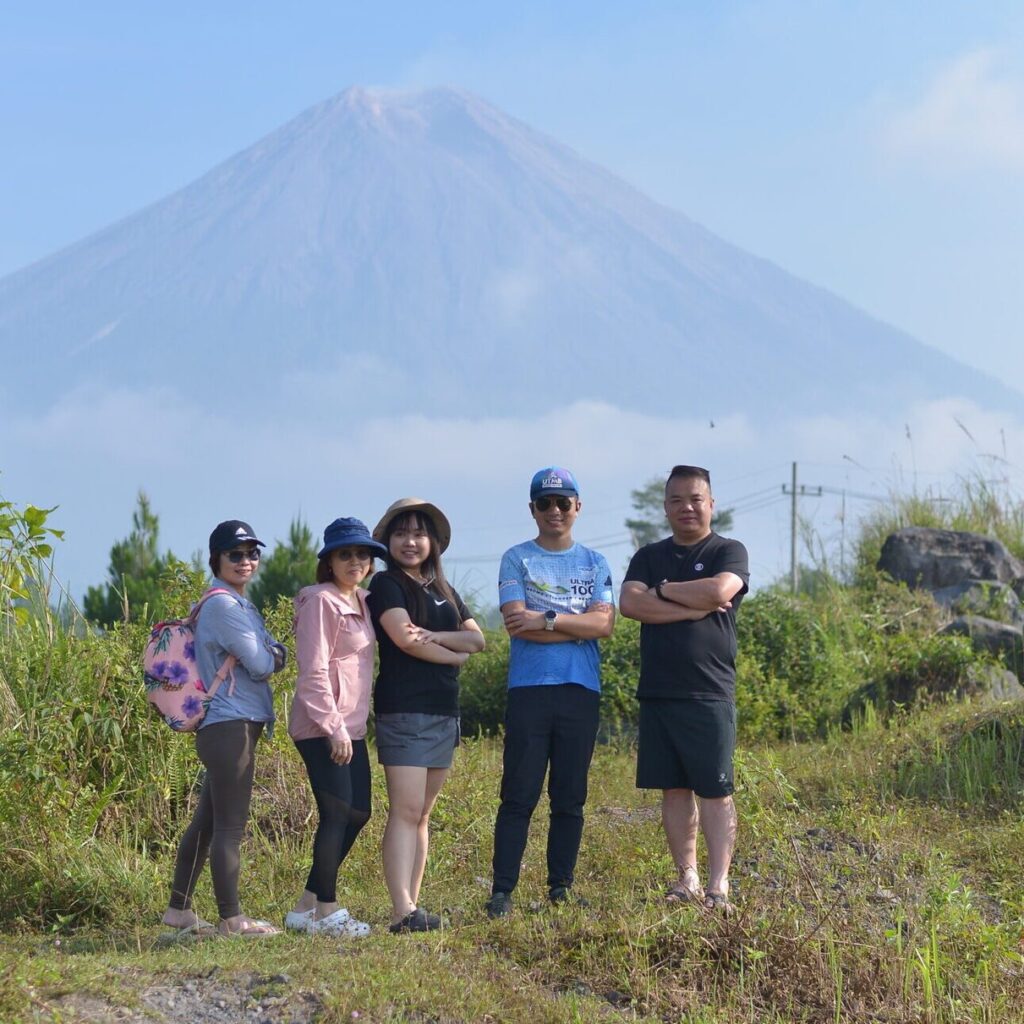
Mount Bromo is an active volcano, and it’s fair for parents to ask about that directly instead of glossing over it. Indonesia’s Center for Volcanology and Geological Hazard Mitigation (PVMBG) has kept Bromo at “Level 2 – Waspada” (Alert) for years — its second-lowest of four levels — with gas-and-steam plumes as the main visible activity and a standing 1-kilometer safety radius around the vent itself. That’s the same status Bromo has held through most of the last decade, including 2026 — it’s Bromo’s normal resting state, not a new warning sign. It’s worth knowing that Mount Semeru, a separate and much more active volcano inside the same national park, has seen serious activity and higher alert levels in 2026; standard family sunrise tours to Bromo’s crater rim and Penanjakan don’t go near Semeru’s exclusion zone, but it’s still smart to have your guide or hotel confirm current conditions within a day or two of your trip, since alert levels can shift with little notice.
What Does a Family Trip to Mount Bromo Cost in 2026?
Entrance pricing at Bromo Tengger Semeru National Park is tiered by nationality and by day of the week, and — this is the part that catches a lot of independent travelers off guard — the park has moved to online-only booking. You can no longer show up and pay cash at the gate; tickets are reserved in advance through the official portal, with ID or passport details required at booking. Domestic visitors currently pay somewhere in the tens of thousands of rupiah, more on weekends and holidays; international visitors pay several times that. Rates get adjusted periodically, so treat any number you read online — including this one — as an estimate, and confirm the current rate before you book. If you’re traveling with a tour operator, this is usually one less thing to worry about: entrance, jeep permits, and parking are typically bundled into the package price.
What Should Your Family Pack for Mount Bromo?
Underestimating the cold is the single most common mistake families make at Bromo — East Java is a tropical province, but 2,300+ meters before sunrise doesn’t feel like it.
| Item | Why It Matters for Kids |
|---|---|
| Warm jacket or fleece layers | Pre-dawn temperatures can fall to 5°C (41°F) or lower at the viewpoints |
| Beanie, gloves, warm socks | Children lose heat through extremities faster than adults |
| Buff or face mask | Softens the sulfur smell near the crater and blocks blown volcanic dust |
| Hiking carrier (for non-walkers) | Strollers can’t cross sand or climb stairs |
| Refillable water + high-energy snacks | The tour runs 5+ hours with limited food stops |
| Small first-aid kit + hand sanitizer | Toilets near the viewpoints are basic squat-style facilities |
Pack all of this into one bag you carry yourself — jeeps are cramped, and rummaging through a suitcase at 4 AM in the cold is nobody’s idea of fun.
How Do You Avoid the Worst Crowds With Young Kids?
The classic 3 AM sunrise departure is also the most crowded one — thousands of people converge on the same viewpoints at once, which is a rough combination with an overtired toddler. A mid-morning or “late sunrise” departure trades a little of the dramatic light for a warmer, calmer, noticeably less chaotic experience, and it’s a trade most parents are glad to make. Basing your family in Cemoro Lawang village itself, rather than commuting up from Probolinggo or Malang, buys back 45–60 minutes of sleep that can make or break a small child’s mood. When you’re comparing accommodation, prioritize hot water over anything else — a cold mountain shower at 2,000+ meters is a fight nobody wins with a five-year-old.
Frequently Asked Questions
Is Mount Bromo dangerous for children?
Not under normal conditions. The main risks are cold exposure and altitude fatigue rather than the volcano itself; keep a firm hold on kids’ hands at the crater rim’s viewing railing, which is solid but narrow.
Can you bring a stroller to Mount Bromo?
No. Strollers can’t handle volcanic sand or the crater stairs — bring a hiking-style baby carrier for children who can’t walk the full route themselves.
Are there toilets near the Bromo viewpoints?
Yes, at the jeep parking areas and near the main viewpoints, though they’re typically basic squat-style facilities. Carry tissue and hand sanitizer.
What’s the minimum age to visit Mount Bromo?
There’s no official minimum. Children under 3 can go if carried, but most families find ages 5 and up get the most enjoyment for the least fuss.
Is the food near Mount Bromo safe for kids?
Local warungs serving hot, freshly cooked dishes like nasi goreng are a safe, popular choice. As with most travel in Indonesia, it’s wise to skip raw salads and unpeeled fruit from street stalls.
Do you need hiking experience to visit Mount Bromo with kids?
No. The route is jeep-and-staircase, not backcountry hiking, so no prior trekking experience is needed for kids or parents.
Ready to Plan Your Family’s Bromo Adventure?
A great family trip to Bromo comes down to three things: the right pace, the right layers, and a driver who isn’t in a hurry. That’s exactly what we build into our East Java itineraries at Nusa Traveller — private jeeps, flexible start times, and routes designed around real families, not tour-bus schedules.
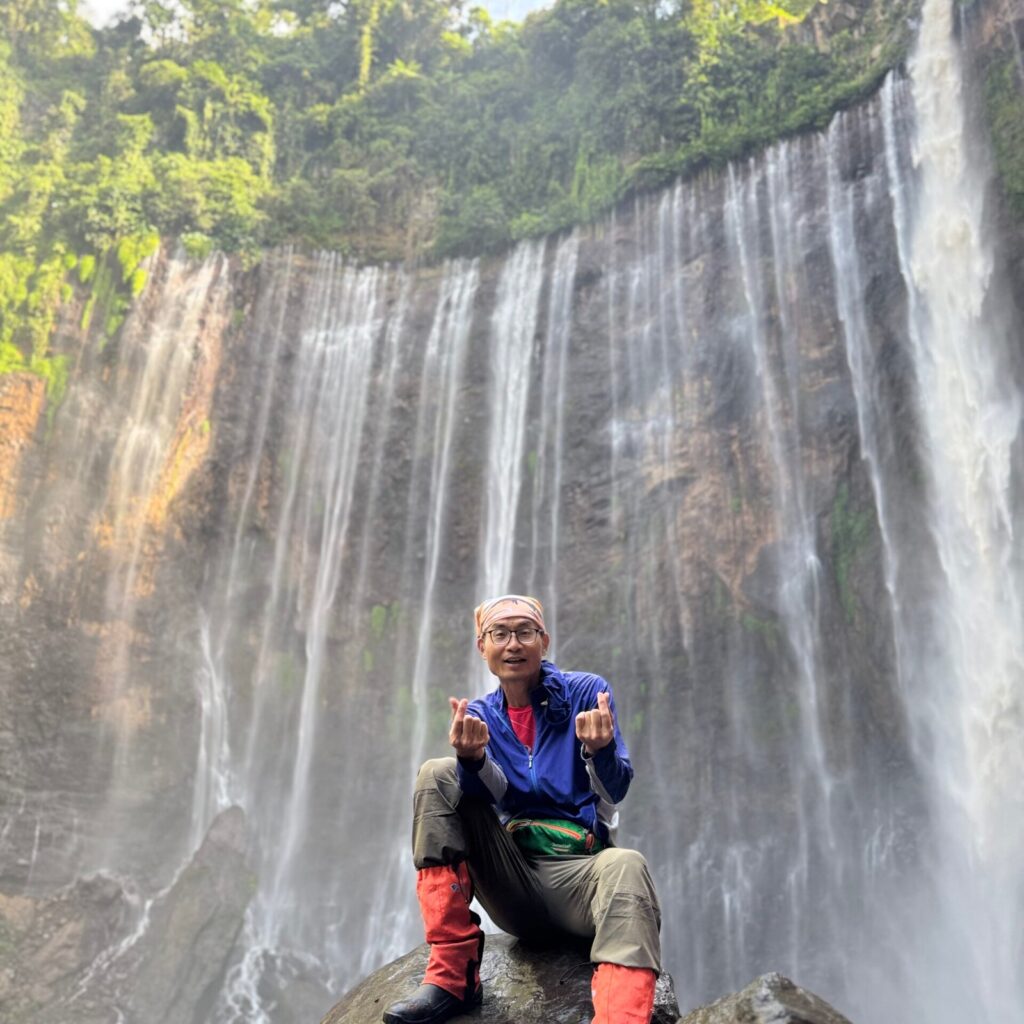
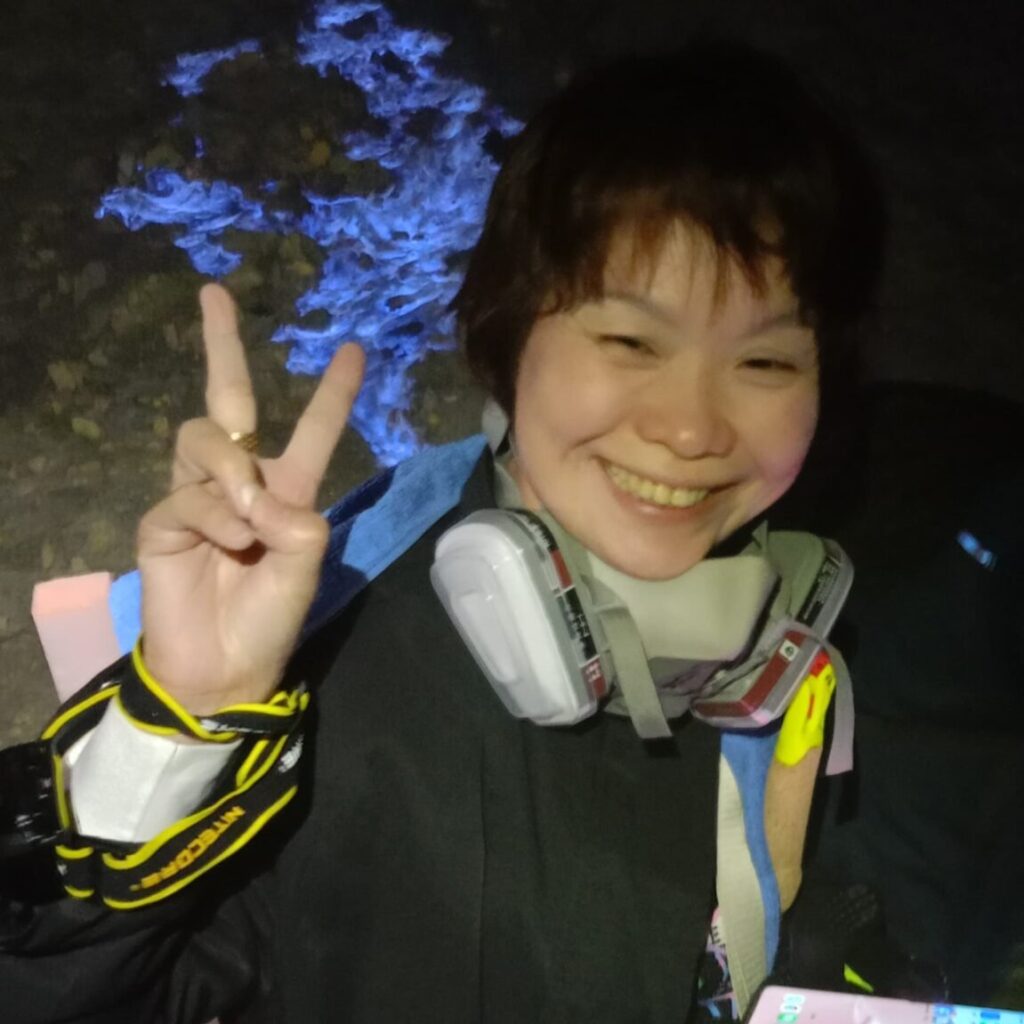
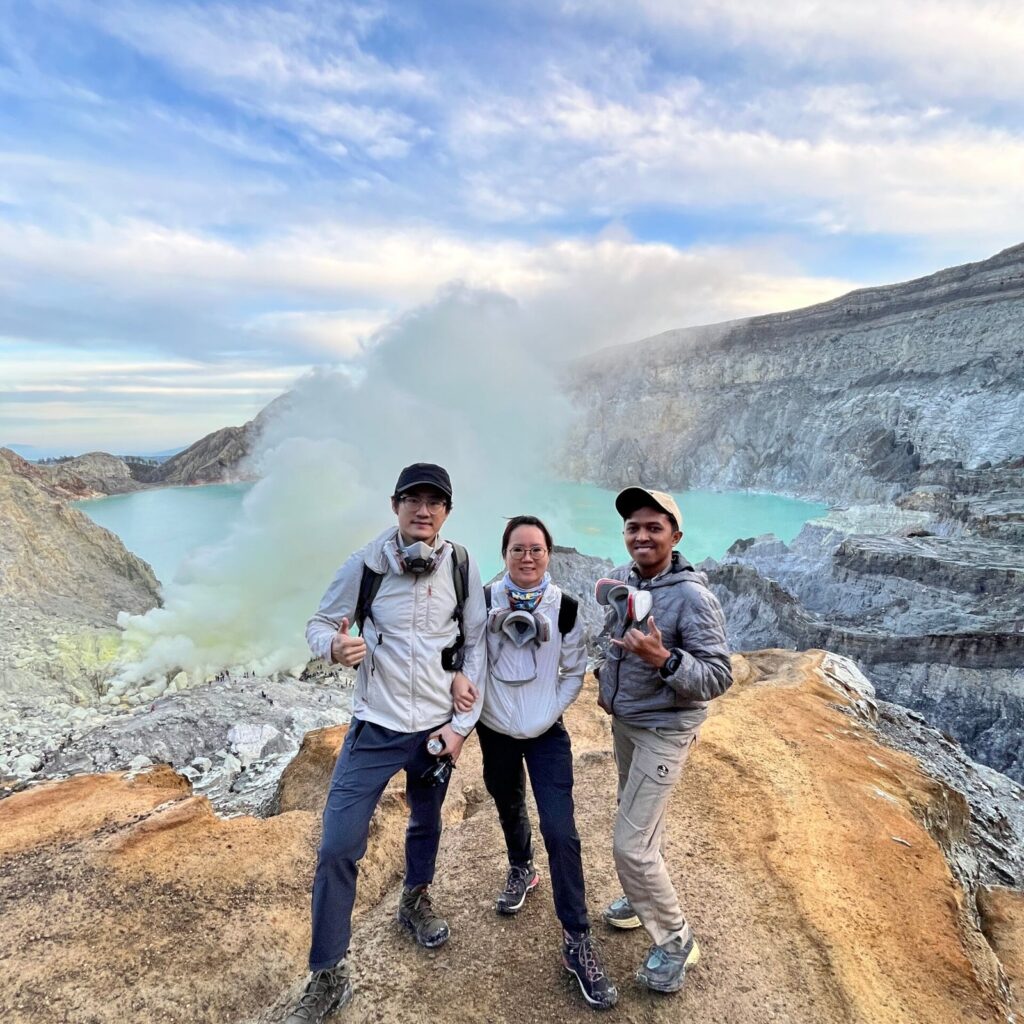
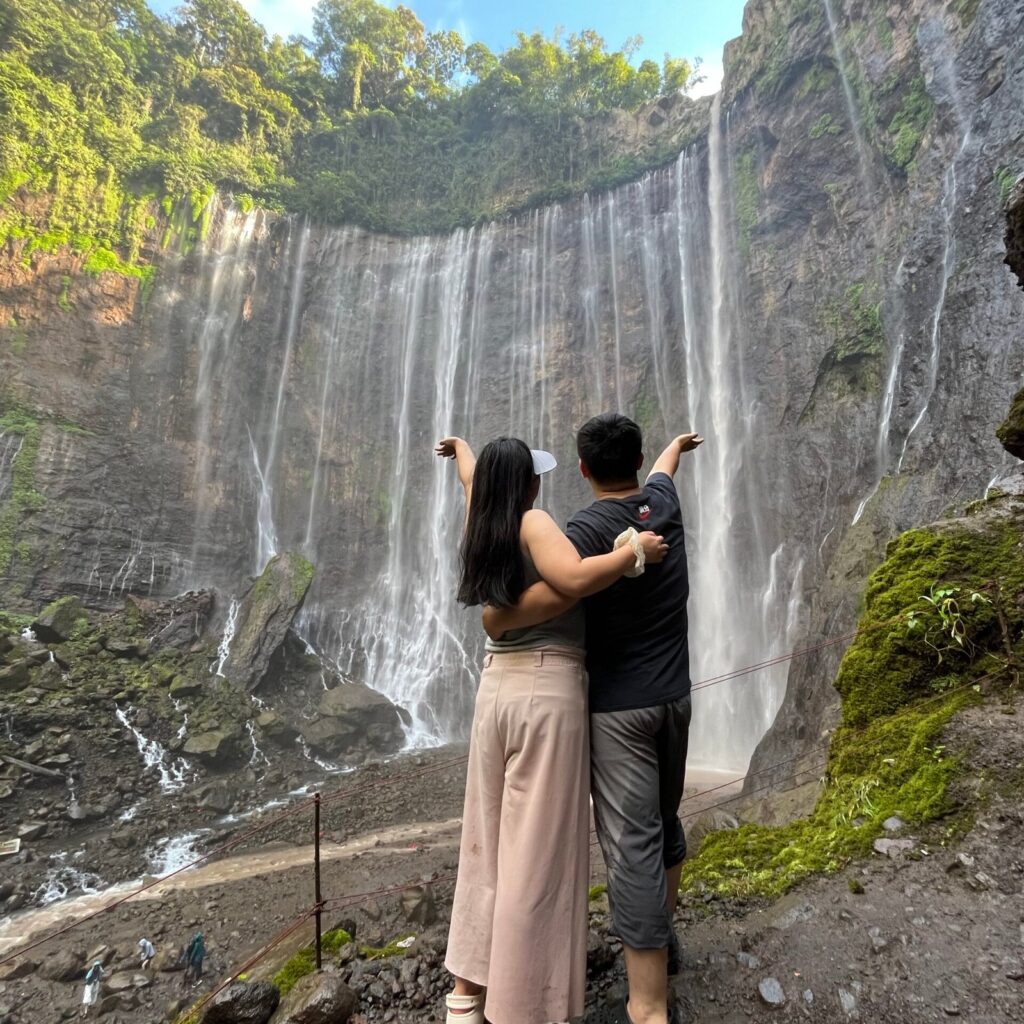
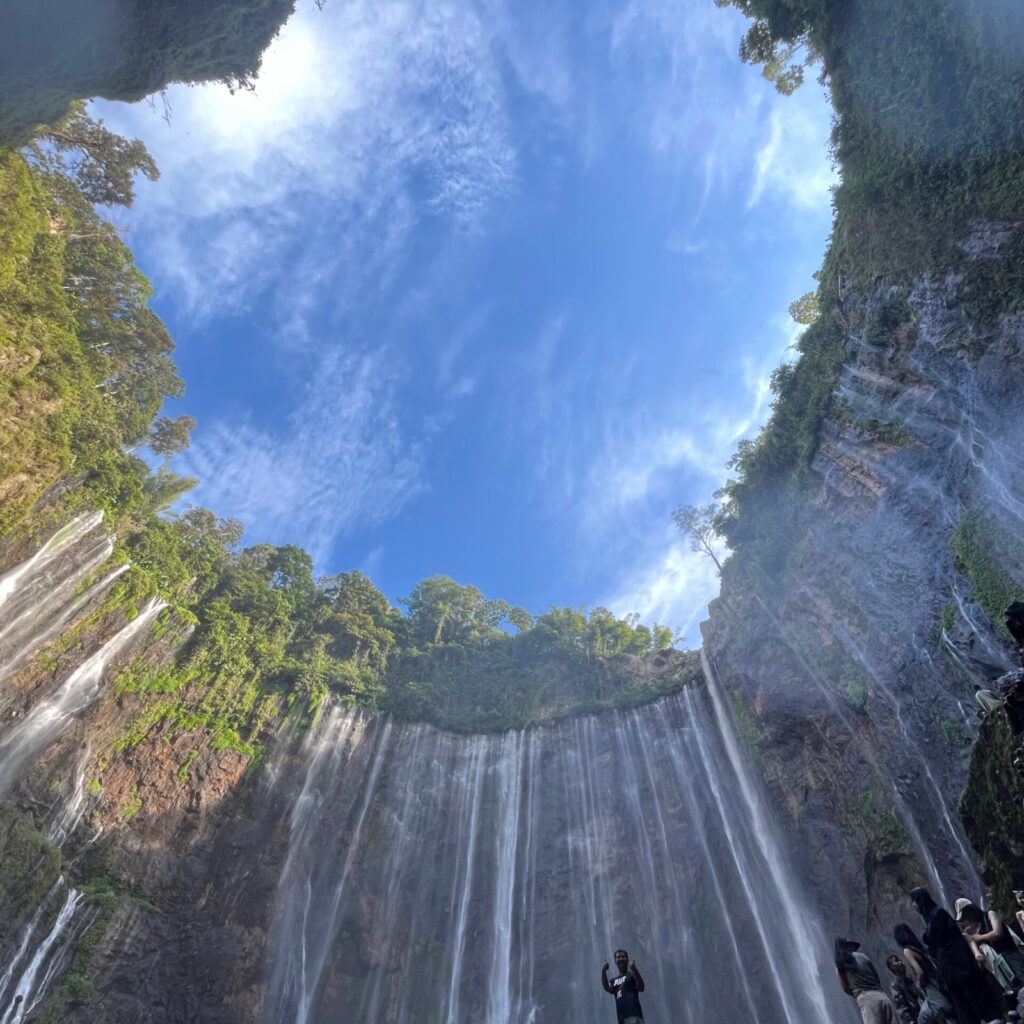
Our 3-Day/2-Night Bromo & Tumpak Sewu package pairs the sunrise crater tour with the waterfalls at Tumpak Sewu, with pickup available from Malang, Banyuwangi, Bali, or Surabaya. Families wanting to add the blue flames of Ijen Crater can extend to our 4-Day/3-Night Bromo, Ijen & Tumpak Sewu package instead.
[See our Bromo & Tumpak Sewu family packages →] (link to your package page)
Frequently Asked Questions
Is this tour good for beginners with no hiking experience?
Yes. The Bromo crater hike and Ijen trek are moderate — steady walking rather than technical climbing. A reasonable fitness level is enough; guides set a pace suited to the group.
Why does the trip start so late at night (1 AM - 2 AM pickups)?
Both Bromo’s sunrise and Ijen’s blue flame can only be seen at very specific times — the flame is only visible in complete darkness, and the sunrise viewpoint requires arriving before dawn. The night pickups are what make both phenomena possible in one trip.
Do I need to bring my own mask and headlamp for Ijen?
No, a standard mask and headlamp are included in the package. Travelers sensitive to sulfur fumes may still want to bring a personal respirator-grade mask as a backup.
What's the best time of year to do this tour?
The dry season (April–October) offers the clearest skies for sunrise views and safer trekking conditions at both Bromo and Ijen.
Is food included in the package?
Accommodation and restaurant meals (lunch/dinner) are not included, so you can choose where to eat based on your own preference and budget.
Ready to Book?
This tour departs from Malang and can be booked for private or small groups. Contact Nusatraveller via WhatsApp at +62 858 8003 4113 or through the booking form on this page to check availability.