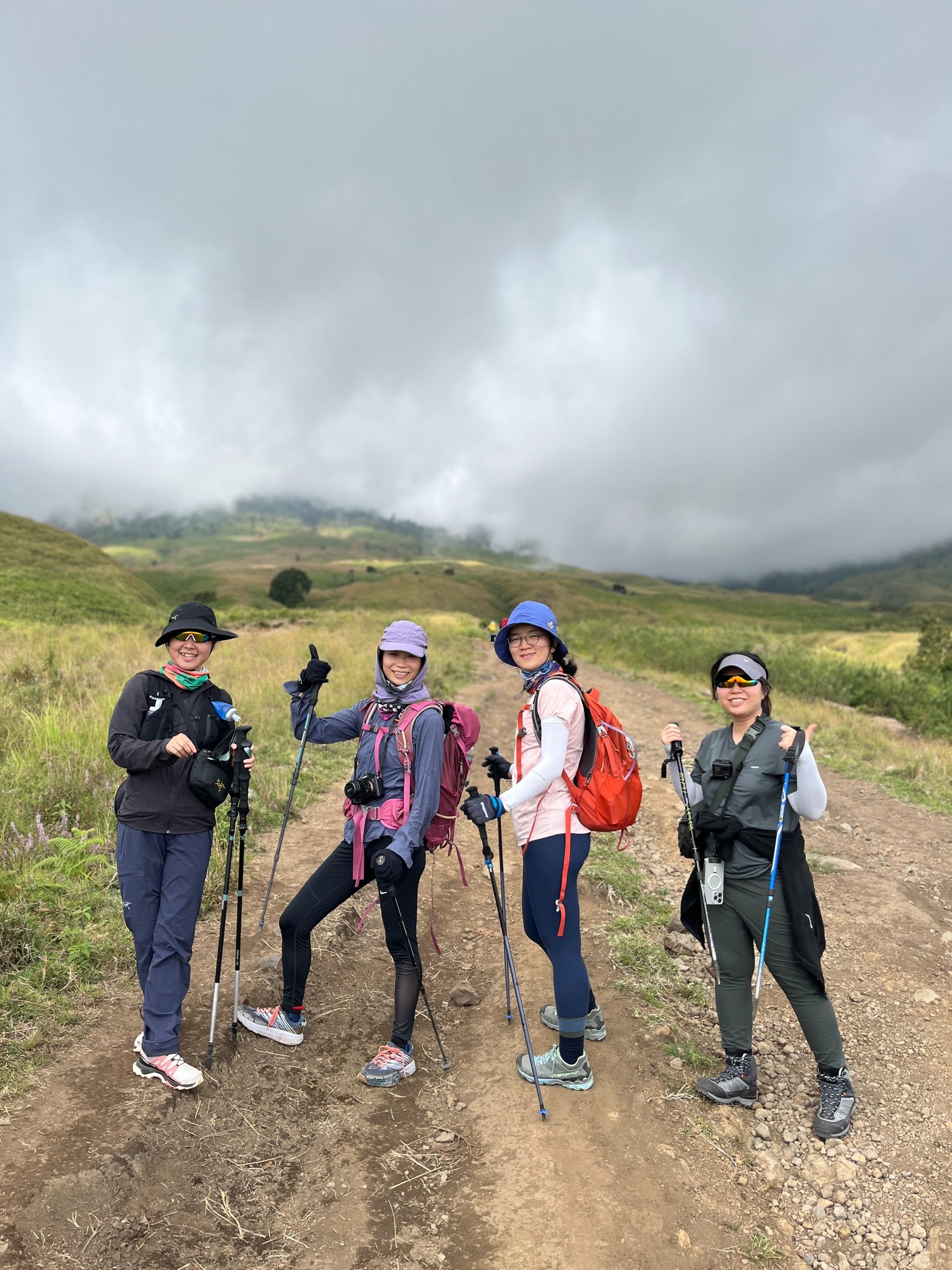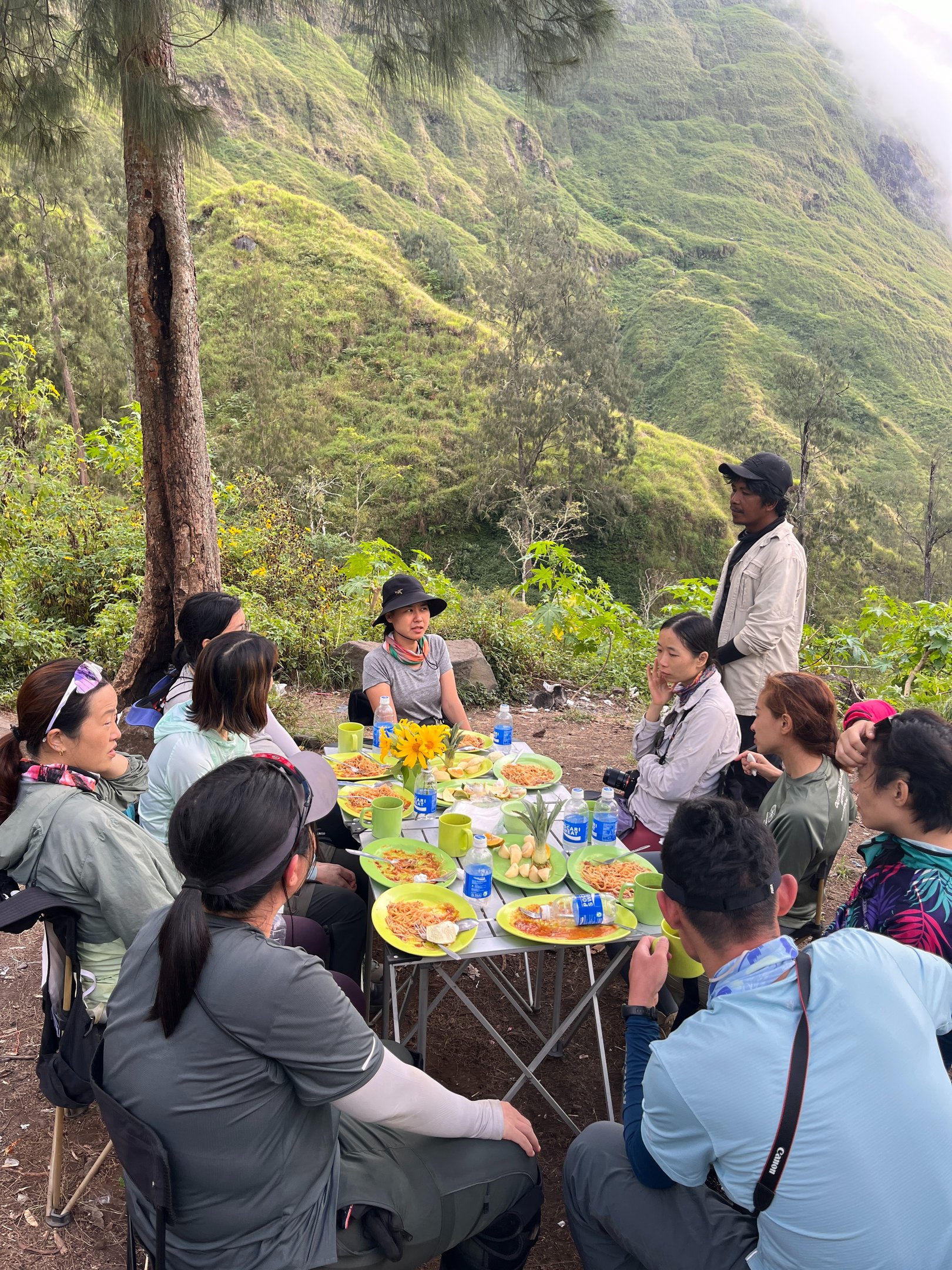
When most travelers plan a trip to Indonesia, they imagine golden beaches, sunny skies, and warm tropical days. But here’s the secret many don’t know:
Indonesia during the rainy season (November–March) can be one of the most beautiful times to explore the archipelago.
The landscapes turn greener, the tourist crowds thin out, and the atmosphere becomes cooler and more refreshing. With the right preparation, your rainy-season adventure can be just as extraordinary—sometimes even better.
In this blog, I’ll walk you through practical tips, best destinations, packing lists, and safety advice for making the most out of rainy season travel in Indonesia.
 Understanding Indonesia’s Rainy Season: It’s Not What You Think
Indonesia’s rainy season doesn’t mean endless storms. In most regions, rainfall comes in short, dramatic bursts—usually in the late afternoon or evening. Mornings often remain bright, warm, and perfect for exploring.
This pattern gives travelers a reliable rhythm:
 Best Places to Visit in Indonesia During Rainy Season
Some destinations shine even brighter with the added moisture and mist:
1. Bali (South & East Bali)
Areas like Nusa Dua, Sanur, and Uluwatu receive less rainfall. Beaches remain calm, and waves are perfect for surfers.
2. East Java
From the volcanic sunrise of Mount Bromo to the mystical blue flames of Ijen Crater, East Java’s nature looks incredibly dramatic during rainy season.
3. Yogyakarta
Temples like Borobudur and Prambanan look magical with morning fog and lush green surroundings.
4. Flores & Komodo National Park
This region tends to be drier, and the landscapes glow in rich, vibrant colors after rainfall.
5. Raja Ampat
Rainy? Maybe.
But the waters remain crystal-clear, and underwater visibility is still world-class for diving and snorkeling.
 Packing Essentials for Rainy Season Travel
To stay comfortable and protected, make sure you pack smart:
 Lightweight waterproof jacket or poncho
 Waterproof phone case
 Anti-slip trekking shoes or sandals Dry bags for camera/electronics
 Mosquito repellent
 Quick-dry clothing
 Small travel umbrella
A simple waterproof setup can turn a wet day into a carefree adventure.
 Transportation Tips: Expect Slower, But Manageable Travel
Rain can affect transportation, especially in island-heavy Indonesia.
Here’s what to expect:
 Enjoy Experiences You Can’t Get in Dry Season
The rainy season offers special charms you won’t find in the summer months:
 Greener Landscapes
Rice terraces in Ubud, Bena Village in Flores, and the Ijen hills turn rich green.
Fewer Tourists
Enjoy temples, waterfalls, and beaches in a more peaceful setting.
Cooler Weather
Traveling becomes more comfortable with lower temperatures.
More Affordable Prices
Many hotels, villas, and tour operators offer rainy-season discounts.
Rainy season travel feels more intimate—almost like Indonesia is slowing down just for you.
 Indoor Activities Perfect for Rainy Afternoons
When the skies open up, you have amazing cultural alternatives:
Rainy afternoons can easily become highlights of your trip.
 Safety Tips for Rainy Season Travelers
Indonesia’s nature is beautiful but must be respected. During heavy rain:
 Final Thoughts: Rain Shouldn’t Stop Your Indonesian Adventure
Traveling to Indonesia during rainy season isn’t a limitation—it’s an opportunity.
It’s a time when nature feels alive, the crowds disappear, and the atmosphere turns peaceful and mystical.
With good planning and flexible expectations, your rainy-season journey can become one of the most memorable experiences you’ll ever have in Indonesia.
Whether it’s sipping coffee in Ubud while the rain falls, watching clouds roll over Bromo’s crater, or diving in the calm waters of Raja Ampat, rainy season brings its own kind of magic.